Anti-Money Laundering (AML) compliance is a critical component in the global effort to combat financial crimes, including the illicit trade of coal. AML check coal smuggling has emerged as a specialized focus within financial regulation, aimed at disrupting the financial networks that enable illegal coal mining, transportation, and trade. As coal remains a vital energy resource, its smuggling not only undermines legal markets but also fuels corruption, environmental degradation, and organized crime.
This article explores the intersection of AML regulations and coal smuggling, highlighting the mechanisms used to launder proceeds from illicit coal trade, the role of financial institutions, and the strategies employed to detect and prevent such activities. By understanding the dynamics of AML check coal smuggling, businesses and regulators can better safeguard financial systems and promote ethical trade practices.
---The Rise of Coal Smuggling and Its Financial Impact
Understanding Coal Smuggling: A Global Challenge
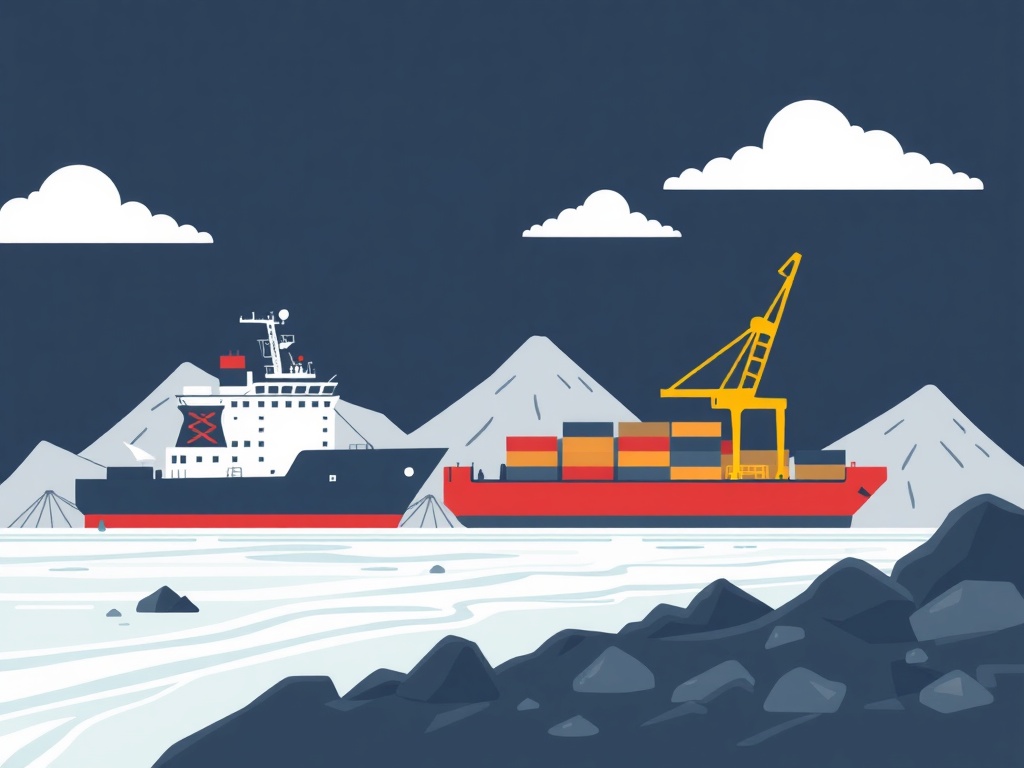
Coal smuggling refers to the illegal extraction, transportation, or trade of coal across borders without proper documentation, payment of duties, or adherence to environmental and labor regulations. This illicit activity thrives in regions with weak governance, porous borders, and high demand for cheap energy sources. According to the Global Initiative Against Transnational Organized Crime, coal smuggling is particularly prevalent in countries with significant coal reserves but stringent export controls, such as Indonesia, Russia, and parts of Africa.
The financial impact of coal smuggling is multifaceted. It deprives governments of tax revenues, distorts market prices, and undermines legitimate mining operations. Moreover, the proceeds from coal smuggling are often integrated into the formal economy through complex financial transactions, making AML check coal smuggling a necessity for financial institutions and regulators.
Linking Coal Smuggling to Money Laundering
Money laundering associated with coal smuggling typically follows a three-stage process: placement, layering, and integration. In the placement stage, illicit cash derived from smuggling is introduced into the financial system through cash deposits, shell companies, or trade-based money laundering (TBML). During the layering stage, funds are moved through multiple accounts and jurisdictions to obscure their origin. Finally, in the integration stage, the laundered funds re-enter the economy as legitimate investments, such as real estate or luxury goods.
Financial institutions play a pivotal role in detecting and reporting suspicious activities related to AML check coal smuggling. By monitoring transactions, identifying unusual patterns, and filing Suspicious Activity Reports (SARs), banks and other entities can disrupt the financial flows that sustain illicit coal trade.
---Regulatory Frameworks and AML Compliance for Coal Trade
Key AML Regulations Affecting Coal Trade
Several international and national regulations govern AML compliance in the coal trade. The Financial Action Task Force (FATF), an intergovernmental body, sets global standards for combating money laundering and terrorist financing. Its recommendations emphasize the importance of risk-based approaches, customer due diligence (CDD), and enhanced scrutiny for high-risk sectors, including natural resource trade.
In the European Union, the Sixth Anti-Money Laundering Directive (6AMLD) and the EU Regulation on the Prevention of the Use of the Financial System for the Purposes of Money Laundering or Terrorist Financing impose stringent obligations on financial institutions to monitor and report suspicious transactions. Similarly, the Bank Secrecy Act (BSA) in the United States requires banks to implement AML programs and file Currency Transaction Reports (CTRs) and SARs.
The Role of Trade-Based Money Laundering (TBML) in Coal Smuggling
Trade-based money laundering (TBML) is a common method used to disguise the proceeds of coal smuggling. TBML involves manipulating the price, quantity, or quality of goods in international trade transactions to move illicit funds across borders. For example, a smuggler might under-invoice coal exports to reduce customs duties or over-invoice imports to justify the movement of funds.
To combat TBML in the coal sector, financial institutions must enhance their transaction monitoring systems. This includes analyzing trade documentation, verifying the authenticity of invoices, and cross-referencing shipment details with customs records. Implementing robust AML check coal smuggling measures can help identify discrepancies and flag suspicious activities.
Sanctions and Embargoes: A Critical Tool Against Illicit Coal Trade
Sanctions and embargoes are powerful tools used by governments to restrict the trade of coal from sanctioned countries or regions. For instance, the United States and the European Union have imposed sanctions on coal imports from North Korea and Russia in response to geopolitical conflicts. Financial institutions must screen transactions against sanctions lists to ensure compliance and prevent the facilitation of illicit coal trade.
Failure to comply with sanctions can result in severe penalties, including hefty fines and reputational damage. Therefore, integrating sanctions screening into AML compliance programs is essential for businesses involved in the coal trade.
---Identifying Red Flags: How to Spot AML Risks in Coal Trade
Common Red Flags in Coal Transactions
Financial institutions and compliance officers must be vigilant in identifying red flags that may indicate involvement in AML check coal smuggling. Some common warning signs include:
- Unusual Transaction Patterns: Frequent transactions involving small amounts that avoid reporting thresholds, or large, irregular payments with no clear business justification.
- Complex Ownership Structures: Transactions involving shell companies, offshore entities, or multiple intermediaries to obscure the true beneficiary.
- Inconsistent Documentation: Discrepancies between invoices, bills of lading, and customs declarations, such as mismatched quantities or prices.
- High-Risk Jurisdictions: Transactions involving countries known for weak AML controls, corruption, or involvement in illicit trade.
- Cash Payments: Large cash deposits or payments that lack proper documentation or traceability.
Case Study: Detecting AML Risks in a Coal Export Transaction
Consider a scenario where a financial institution processes a series of transactions for a coal export company. The transactions involve multiple payments from shell companies in offshore jurisdictions, with invoices that understate the actual value of the coal. Additionally, the shipment details do not match the customs declarations, and the payments are made in cash.
These red flags suggest potential involvement in AML check coal smuggling. The financial institution should conduct enhanced due diligence, file an SAR, and consider terminating the business relationship if the risks cannot be mitigated.
The Role of Technology in AML Detection
Advancements in technology, such as artificial intelligence (AI) and machine learning, have revolutionized AML compliance. These tools can analyze vast amounts of transaction data in real-time, identifying patterns and anomalies that may indicate illicit activities. For example, AI-powered systems can detect unusual trade flows, such as frequent shipments to high-risk jurisdictions or transactions involving politically exposed persons (PEPs).
By leveraging technology, financial institutions can enhance their AML check coal smuggling efforts, reducing false positives and improving the accuracy of suspicious activity detection.
---Best Practices for Financial Institutions and Businesses
Implementing a Risk-Based AML Compliance Program
A robust AML compliance program is essential for businesses involved in the coal trade. The program should include the following components:
- Customer Due Diligence (CDD): Conduct thorough background checks on customers, including their ownership structure, business activities, and reputation.
- Enhanced Due Diligence (EDD): Apply additional scrutiny to high-risk customers, such as those operating in jurisdictions with weak AML controls or involved in high-value transactions.
- Transaction Monitoring: Implement automated systems to monitor transactions for suspicious activities, such as unusual patterns or high-risk jurisdictions.
- Staff Training: Ensure that employees are trained to recognize red flags and understand their reporting obligations under AML regulations.
- Regular Audits: Conduct periodic audits to assess the effectiveness of the AML program and identify areas for improvement.
Collaboration with Regulators and Industry Peers
Collaboration is key to combating AML check coal smuggling. Financial institutions should work closely with regulators, sharing information on suspicious activities and participating in industry initiatives. For example, the Wolfsberg Group, a consortium of global banks, has developed guidelines for managing AML risks in trade finance.
Additionally, businesses can join industry associations, such as the International Chamber of Commerce (ICC), to access resources and best practices for AML compliance. By fostering a culture of transparency and cooperation, the industry can collectively disrupt the financial networks that enable illicit coal trade.
Leveraging Data Analytics for AML Compliance
Data analytics plays a crucial role in enhancing AML compliance. Financial institutions can use data analytics tools to:
- Identify Anomalies: Detect unusual transaction patterns, such as frequent payments to high-risk jurisdictions or transactions involving shell companies.
- Predict Risks: Use predictive modeling to assess the likelihood of a customer or transaction being involved in illicit activities.
- Enhance Reporting: Automate the generation of SARs and other regulatory reports, reducing the burden on compliance teams.
By integrating data analytics into their AML programs, businesses can improve the efficiency and effectiveness of their AML check coal smuggling efforts.
---The Future of AML Check for Coal Smuggling
Emerging Trends in AML Compliance
The landscape of AML compliance is constantly evolving, driven by technological advancements and regulatory changes. Some emerging trends that will shape the future of AML check coal smuggling include:
- Blockchain Technology: Blockchain can enhance transparency and traceability in coal trade by providing an immutable ledger of transactions. This technology can help verify the authenticity of trade documents and track the movement of coal from mine to market.
- Regulatory Technology (RegTech): RegTech solutions, such as AI and machine learning, are becoming increasingly popular for automating AML compliance processes. These tools can reduce costs, improve accuracy, and enhance the detection of suspicious activities.
- Global Cooperation: International collaboration among regulators, law enforcement, and financial institutions is critical to combating cross-border crimes like coal smuggling. Initiatives such as the FATF's Global Network aim to harmonize AML standards and promote information sharing.
The Role of Artificial Intelligence in AML
Artificial intelligence (AI) is transforming AML compliance by enabling real-time monitoring and analysis of transaction data. AI-powered systems can:
- Detect Anomalies: Identify unusual patterns in transaction data that may indicate illicit activities.
- Predict Risks: Use machine learning algorithms to assess the likelihood of a customer or transaction being involved in money laundering.
- Automate Reporting: Generate SARs and other regulatory reports automatically, reducing the burden on compliance teams.
As AI technology continues to advance, its role in AML check coal smuggling will become even more critical, enabling financial institutions to stay ahead of evolving threats.
Challenges and Opportunities in AML Compliance
While AML compliance presents challenges, such as the complexity of regulations and the need for advanced technology, it also offers opportunities for businesses to enhance their reputation and operational efficiency. By adopting a proactive approach to AML compliance, businesses can:
- Build Trust: Demonstrate a commitment to ethical business practices and compliance with AML regulations.
- Reduce Risks: Minimize the risk of financial penalties, reputational damage, and legal consequences associated with non-compliance.
- Improve Efficiency: Streamline AML processes through automation and data analytics, reducing costs and improving accuracy.
The future of AML check coal smuggling lies in the adoption of innovative technologies and collaborative approaches to AML compliance. By staying informed and proactive, businesses can contribute to the global effort to combat illicit trade and promote financial integrity.
---Conclusion: Strengthening AML Measures to Combat Coal Smuggling
Combating AML check coal smuggling requires a multifaceted approach that combines robust regulatory frameworks, advanced technology, and collaborative efforts among financial institutions, regulators, and industry peers. By understanding the mechanisms of money laundering in the coal trade, identifying red flags, and implementing best practices for AML compliance, businesses can disrupt the financial networks that enable illicit activities.
As the global community continues to address the challenges of illicit trade, the role of AML compliance will only grow in importance. Financial institutions and businesses must remain vigilant, adopting innovative solutions and fostering a culture of transparency to safeguard the integrity of the financial system. Through collective action and a commitment to ethical practices, we can effectively combat AML check coal smuggling and promote a fair and sustainable global trade environment.

As a crypto investment advisor with over a decade of experience, I’ve seen firsthand how illicit activities like coal smuggling can infiltrate digital asset markets, posing significant risks to investors and the broader financial ecosystem. The intersection of cryptocurrency and traditional crime is a growing concern, particularly when it comes to money laundering (AML) schemes that exploit the anonymity of blockchain transactions. AML check coal smuggling isn’t just a regulatory buzzword—it’s a critical safeguard for investors who must remain vigilant against fraudulent schemes that could destabilize portfolios. While coal smuggling may seem like a niche issue, its ties to organized crime and cross-border transactions make it a prime candidate for crypto-based money laundering, where illicit funds are obfuscated through digital wallets and decentralized exchanges.
From a practical standpoint, investors should prioritize platforms and exchanges that implement robust AML (Anti-Money Laundering) protocols, including real-time transaction monitoring and KYC (Know Your Customer) verification. The rise of privacy coins and mixers has further complicated AML checks, but forward-thinking firms are now leveraging AI-driven analytics to trace illicit flows tied to activities like coal smuggling. For retail and institutional investors alike, due diligence is non-negotiable—partnering with exchanges that enforce strict AML compliance isn’t just about avoiding legal pitfalls; it’s about protecting capital in an environment where illicit actors are constantly evolving their tactics. In my advisory work, I’ve found that the most resilient crypto portfolios are those built on transparency and compliance, ensuring that AML checks aren’t an afterthought but a cornerstone of investment strategy.