In the rapidly evolving landscape of cryptocurrency and decentralized finance (DeFi), ensuring compliance with Anti-Money Laundering (AML) regulations has become a critical concern for users, exchanges, and regulators alike. One platform that has drawn significant attention in this context is Tornado Cash, a privacy-focused cryptocurrency mixer designed to enhance transaction anonymity. However, its use has raised important questions about AML compliance, regulatory scrutiny, and the balance between privacy and transparency.
This comprehensive guide explores the concept of AML check Tornado Cash, examining its operational mechanics, the associated risks, regulatory responses, and best practices for users and institutions. Whether you're a crypto enthusiast, compliance officer, or financial regulator, understanding the implications of using Tornado Cash—and how to conduct an effective AML check—is essential in today’s digital financial ecosystem.
What Is Tornado Cash and How Does It Work?
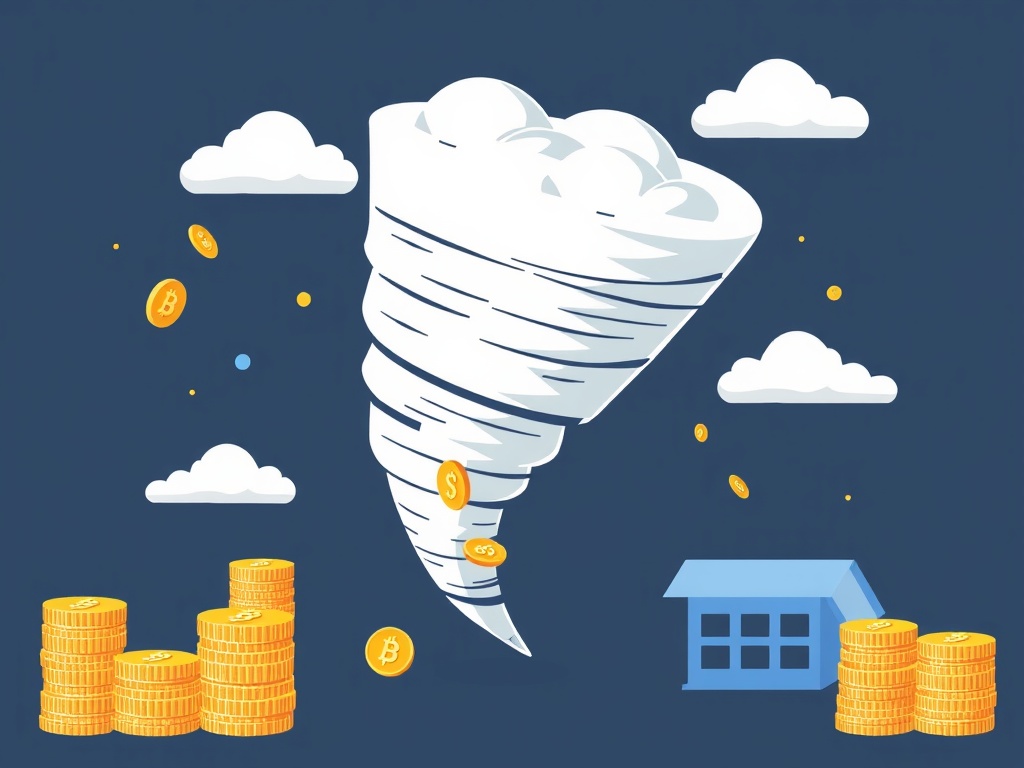
Tornado Cash is a decentralized, non-custodial cryptocurrency mixer that allows users to obfuscate the origin and destination of their digital assets—primarily Ethereum-based tokens like ETH and ERC-20 tokens. By pooling transactions and redistributing funds through cryptographic techniques, Tornado Cash enhances privacy by breaking the on-chain link between sender and receiver.
Core Functionality of Tornado Cash
At its core, Tornado Cash operates using a zero-knowledge proof (ZKP) mechanism, specifically zk-SNARKs (Zero-Knowledge Succinct Non-Interactive Arguments of Knowledge). This technology enables users to prove they have deposited funds into the mixer without revealing the exact amount or source of those funds. Here’s a simplified breakdown of the process:
- Deposit: A user sends a specific amount of cryptocurrency (e.g., 1 ETH) to a smart contract on the Ethereum blockchain.
- Pooling: The deposited funds are mixed with those from other users in a shared pool.
- Withdrawal: The user withdraws an equivalent amount from the pool to a new address, severing the on-chain traceability between the original deposit and the withdrawal.
- Anonymity Set: The larger the pool and the more users participating, the harder it becomes to trace individual transactions—this is known as the "anonymity set."
This process makes it extremely difficult for external observers—including blockchain analysts and regulators—to link a withdrawal to a specific deposit, thereby preserving user privacy.
Why Users Turn to Tornado Cash
While privacy is a fundamental right in many jurisdictions, Tornado Cash gained popularity for several reasons:
- Financial Privacy: Individuals in regions with capital controls or surveillance may use Tornado Cash to protect their financial activities from government oversight.
- Protection Against Tracking: Cryptocurrency transactions are public on blockchains. Mixers like Tornado Cash help users avoid being tracked by data brokers, hackers, or malicious actors.
- Use in DeFi and DAOs: Some decentralized autonomous organizations (DAOs) and DeFi protocols use Tornado Cash to manage treasury funds without exposing contributor identities.
Despite these benefits, the anonymity provided by Tornado Cash has also made it a tool of interest to illicit actors, drawing regulatory attention and necessitating robust AML check Tornado Cash protocols.
The Regulatory Landscape: Why Tornado Cash Faces Scrutiny
The rise of Tornado Cash has not gone unnoticed by global financial regulators. Its use in laundering proceeds from hacks, ransomware attacks, and other financial crimes has led to significant regulatory action, including sanctions and legal challenges. Understanding this regulatory environment is crucial for anyone considering or currently using the platform.
U.S. Sanctions and OFAC Actions
In August 2022, the U.S. Department of the Treasury’s Office of Foreign Assets Control (OFAC) sanctioned Tornado Cash, placing it on the Specially Designated Nationals (SDN) list. This marked the first time a decentralized protocol was sanctioned, signaling a major shift in how regulators view privacy tools in the crypto space.
The sanctions were imposed due to Tornado Cash’s alleged role in laundering over $7 billion in illicit funds, including:
- Funds from the Lazarus Group, a North Korean state-sponsored hacking collective.
- Proceeds from the Ronin Bridge hack (March 2022), where $625 million was stolen.
- Ransomware payments linked to cybercriminals.
As a result, U.S. individuals and entities are prohibited from interacting with Tornado Cash or any addresses associated with it. Violations can lead to severe penalties, including fines and criminal charges.
Global Regulatory Responses
Beyond the U.S., other jurisdictions have also taken steps to regulate or restrict the use of privacy-enhancing tools like Tornado Cash:
- European Union: Under the Markets in Crypto-Assets Regulation (MiCA), which came into effect in 2024, crypto-asset service providers must implement AML checks, including monitoring for transactions involving sanctioned entities or high-risk addresses.
- United Kingdom: The Financial Conduct Authority (FCA) has emphasized the need for crypto firms to conduct enhanced due diligence on transactions involving mixers, including Tornado Cash.
- South Korea: The Financial Intelligence Unit (FIU) has proposed stricter reporting requirements for crypto transactions involving privacy coins and mixers.
These regulatory actions underscore the growing expectation that financial institutions and crypto platforms must perform thorough AML check Tornado Cash procedures to prevent illicit fund flows.
The Ethical and Legal Dilemma
The sanctions against Tornado Cash have sparked a broader debate about the balance between privacy and compliance. Critics argue that the sanctions overreach by targeting a tool rather than specific criminal actors. Meanwhile, regulators maintain that such tools enable financial crime on a systemic scale.
This tension highlights the need for users and institutions to navigate the legal and ethical implications carefully when considering the use of Tornado Cash or similar services.
AML Risks Associated with Tornado Cash
While Tornado Cash offers privacy benefits, its design inherently poses significant AML risks. These risks stem from its ability to obscure the origin of funds, making it difficult to trace illicit transactions. For compliance professionals, understanding these risks is the first step in implementing effective AML check Tornado Cash strategies.
High-Risk Transaction Patterns
Certain transaction behaviors involving Tornado Cash are red flags for money laundering or sanctions evasion:
- Large, Round-Number Deposits: Depositing exact amounts (e.g., 10 ETH, 100 ETH) can indicate structured transactions designed to avoid detection.
- Rapid Deposit and Withdrawal: Moving funds in and out of Tornado Cash within a short timeframe may suggest attempts to "clean" illicit funds quickly.
- Use of Multiple Wallets: A user depositing from one wallet and withdrawing to several different addresses may be attempting to distribute illicit funds across multiple accounts.
- Linking to Known Illicit Addresses: If a user’s wallet has previously interacted with sanctioned entities, addresses involved in hacks, or darknet markets, this increases the risk profile.
Integration with Other Illicit Services
Tornado Cash is often used in conjunction with other illicit services to further obscure fund trails:
- Darknet Markets: Criminals may use Tornado Cash to launder proceeds from drug trafficking or illegal arms sales.
- Ransomware Payments: Cybercriminals frequently demand ransom in cryptocurrency and then use mixers to convert and distribute the funds.
- DeFi Exploits: Funds stolen from DeFi protocols are often routed through Tornado Cash to break traceability before being converted to fiat or other assets.
These connections make Tornado Cash a high-risk node in the crypto transaction network, necessitating vigilant monitoring and AML check Tornado Cash protocols.
Challenges in Tracing Funds Post-Mixing
One of the most significant challenges in AML compliance is the difficulty of tracing funds after they have been mixed. Traditional blockchain analysis tools, such as Chainalysis, TRM Labs, and Elliptic, rely on heuristics and clustering algorithms to identify suspicious activity. However, once funds pass through Tornado Cash:
- Loss of Transactional Linkage: The on-chain trail is broken, making it nearly impossible to definitively link a withdrawal to a specific deposit.
- Increased Anonymity Set: Larger pools (e.g., 100 ETH or 1,000 ETH) provide greater anonymity, reducing the effectiveness of traditional tracing methods.
- Cross-Chain Activity: Funds withdrawn from Tornado Cash may be bridged to other blockchains (e.g., Polygon, Arbitrum, or BNB Chain), further complicating tracking.
These challenges underscore the need for advanced analytics, behavioral modeling, and real-time monitoring to detect and prevent illicit use of Tornado Cash.
How to Perform an Effective AML Check on Tornado Cash
Given the regulatory and risk landscape, performing a thorough AML check Tornado Cash is essential for financial institutions, crypto exchanges, and compliance teams. Below are key steps and best practices to identify, assess, and mitigate risks associated with Tornado Cash transactions.
Step 1: Transaction Monitoring and Screening
Implement automated transaction monitoring systems that flag interactions with Tornado Cash addresses. Key indicators to monitor include:
- Direct Interactions: Deposits or withdrawals to/from known Tornado Cash smart contracts.
- Indirect Exposure: Transactions involving wallets that have previously interacted with Tornado Cash.
- Proximity to Illicit Activity: Wallets linked to sanctioned entities, darknet markets, or hacked funds.
Use blockchain analytics platforms that maintain updated lists of Tornado Cash-related addresses and associated risk scores. Tools like Chainalysis Reactor, TRM Forensics, and CipherTrace offer specialized dashboards for monitoring mixer activity.
Step 2: Risk Scoring and Classification
Not all Tornado Cash transactions are inherently illicit. A risk-based approach involves classifying transactions based on several factors:
- Transaction Size:
- Low Risk: Small deposits (e.g., less than 0.1 ETH) with no prior suspicious activity.
- Medium Risk: Medium-sized deposits (e.g., 1–10 ETH) with no direct links to illicit entities.
- High Risk: Large deposits (e.g., 100+ ETH), round numbers, or connections to known criminal wallets.
- User Profile:
- Is the user a known customer with a clean transaction history?
- Does the user operate in a high-risk jurisdiction?
- Is the user associated with regulated financial institutions?
- Behavioral Patterns:
- Rapid cycling of funds in and out of Tornado Cash.
- Use of multiple wallets in a short period.
- Interaction with high-risk services post-withdrawal.
Assign risk scores to each transaction and apply enhanced due diligence (EDD) to high-risk cases.
Step 3: Enhanced Due Diligence (EDD) and Customer Verification
For high-risk transactions involving Tornado Cash, conduct enhanced due diligence, which may include:
- Source of Funds (SoF) Verification: Request documentation proving the legitimate origin of the funds being deposited.
- Beneficial Ownership: Identify and verify the ultimate beneficial owner of the funds, especially in cases involving corporate entities or trusts.
- Purpose of Transaction: Understand the intended use of the funds post-withdrawal—are they being used for legitimate business purposes or potentially for further illicit activity?
- Ongoing Monitoring: Continuously monitor the customer’s transaction behavior for any red flags or changes in risk profile.
In some jurisdictions, failure to conduct adequate EDD can result in regulatory penalties, including fines or loss of license.
Step 4: Reporting Suspicious Activity
If a transaction involving Tornado Cash is deemed suspicious, it must be reported to the relevant financial intelligence unit (FIU). In the U.S., this typically means filing a Suspicious Activity Report (SAR) with FinCEN. Key elements to include in the report:
- Transaction details (amount, date, involved addresses).
- Risk assessment and rationale for suspicion.
- Customer identification information (if available).
- Any prior suspicious activity or red flags observed.
Failure to report suspicious activity can result in regulatory scrutiny and penalties for the reporting entity.
Step 5: Implementing Controls and Policies
To ensure consistent and compliant AML check Tornado Cash practices, institutions should establish robust internal policies and controls:
- Risk Assessment Framework: Regularly update risk assessments to account for new regulatory guidance and emerging threats.
- Staff Training: Train compliance officers and frontline staff on recognizing Tornado Cash-related risks and red flags.
- Technology Integration: Deploy AI-driven transaction monitoring tools that can detect subtle patterns indicative of money laundering through mixers.
- Audit Trails: Maintain detailed records of all AML checks, decisions, and reports for regulatory inspections.
By integrating these steps into a comprehensive AML program, institutions can mitigate risks associated with Tornado Cash while maintaining regulatory compliance.
Best Practices for Users: Navigating Tornado Cash Responsibly
While Tornado Cash is designed for privacy, users must be aware of the legal and financial risks involved. Adopting responsible practices can help individuals avoid unintended regulatory violations and protect their assets. Here are key best practices for users considering or currently using Tornado Cash.
Understand the Legal Implications
Before using Tornado Cash, research the laws in your jurisdiction. In many countries, including the U.S., interacting with Tornado Cash or its associated addresses is illegal due to OFAC sanctions. Penalties can include:
- Civil monetary penalties.
- Criminal charges for willful violations.
- Asset forfeiture.
Always consult a legal professional if you are unsure about the legality of using Tornado Cash in your region.
Use Tornado Cash for Legitimate Purposes Only
While privacy is a valid concern, using Tornado Cash to obscure illicit funds can lead to severe legal consequences. Only use the platform for:
- Protecting financial privacy from surveillance or censorship.
- Managing personal or business funds without exposing sensitive information.
- Participating in legitimate DeFi activities where anonymity is desired.
Avoid using Tornado Cash in connection with:
- Funds obtained from illegal activities.
- Transactions designed to evade taxes or sanctions.
- Interactions with sanctioned entities or high-risk services.
Practice Operational Security (OpSec)
Even if you use Tornado Cash legally, poor operational security can expose you to risks such as:
- Wallet Linking: Associating your identity with a wallet that uses Tornado Cash can draw unwanted attention from regulators or hackers.
- Metadata Exposure: Using Tornado Cash through centralized exchanges or custodial services may expose your identity.
- Phishing and Scams: Fake Tornado Cash interfaces or wallet drainers can steal your funds.
To mitigate these risks:
- Use a dedicated, non-custodial wallet for Tornado Cash interactions.
- Avoid linking your wallet to centralized services that may require KYC.
- Verify the
 James RichardsonSenior Crypto Market Analyst
Understanding the Critical Role of AML Checks in Tornado Cash Transactions
As a Senior Crypto Market Analyst with over a decade of experience in digital asset markets, I’ve closely observed the evolution of privacy-enhancing tools like Tornado Cash and their intersection with regulatory compliance. The recent scrutiny around Tornado Cash—particularly its integration of AML (Anti-Money Laundering) checks—highlights a pivotal moment for decentralized finance (DeFi) and the broader crypto ecosystem. While Tornado Cash was originally designed to obscure transaction trails for legitimate privacy concerns, its association with illicit activities has forced regulators and developers to rethink how privacy tools can coexist with compliance frameworks. The introduction of AML checks represents a pragmatic step toward bridging the gap between anonymity and accountability, though it raises complex questions about the future of financial privacy in a decentralized world.
From a practical standpoint, the implementation of AML checks in Tornado Cash is not just a regulatory checkbox—it’s a necessary evolution to ensure the long-term viability of privacy-preserving protocols. Institutions and traditional financial players remain hesitant to engage with tools that lack clear compliance pathways, and AML checks provide a structured approach to mitigate risks associated with illicit fund flows. However, the challenge lies in balancing these checks without compromising the core value proposition of Tornado Cash: user privacy. Developers must navigate this tightrope carefully, ensuring that AML measures are robust yet non-intrusive. For market participants, this development underscores the growing importance of compliance-ready infrastructure in DeFi, signaling that privacy tools must adapt to meet regulatory expectations or risk obsolescence.